Top 12 Methods to Combine Parents’ Names for a Meaningful Baby Name
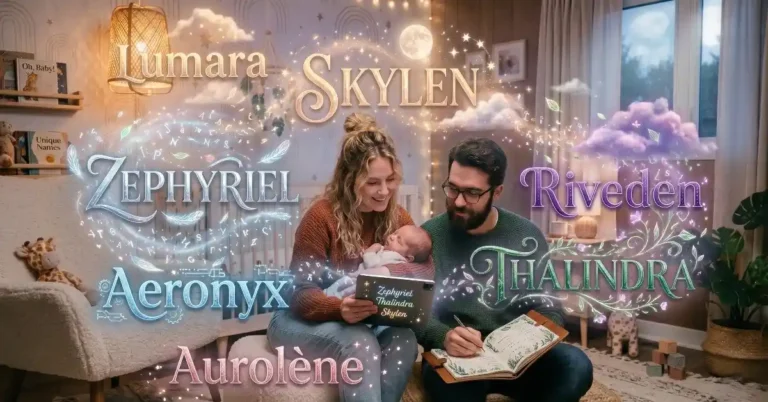
Most parents want the same thing: a name that means something. Not just ‘sounds nice’ but actually carries a piece of who you are into who your child will become. Blending both parents’ names is one of the oldest and most personal ways to do that.
The catch? Do it carelessly and you end up with something that sounds like a username. Do it with intention — using the right method for the right names — and you land on something genuinely beautiful.
This guide covers 12 distinct methods for combining parents’ names, complete with real examples, what each approach works best for, and the one mistake most parents make before they even start.
Why Name Blending Is Having a Moment in 2026
Name blending isn’t new. Portmanteau names — words fused from two sources — have existed for centuries. But the intentionality behind them has shifted. According to Nameberry’s 2025 trend report, searches for ‘unique baby names from parents’ names’ increased by 34% year-over-year, driven largely by millennial and Gen Z parents who want names that feel personal rather than pulled from a trending list.
If you’d rather use a digital tool, our roundup of the best baby name combiner tools covers everything from simple mixers to full AI platforms.
The 12 Methods to Combine Parents’ Names
Method 1: Front + Back Syllable Merge
Take the first syllable of one parent’s name and the last syllable of the other. This is the most intuitive approach and produces the cleanest results when both names have distinct syllable breaks.
Example: Sarah + Marcus → Marcah or Saracus
Best for: Names with 2–3 syllables each.
Method 2: First Half + Second Half Split
Cut both names roughly in half and swap the second halves. Unlike syllable merging, this works at the letter level rather than phonetic breaks.
Example: Elena + David → Elivid or Elavid
Best for: Parents who want a name that visually contains pieces of both originals.
Method 3: Initial Letter Fusion
Use the first letter of each parent’s name as anchors, then build a name around those initials that still sounds natural.
Example: James + Lydia → Joelle, Jalen, Lilja, or Jolia
Best for: Parents whose names don’t blend phonetically.
Method 4: Meaning-First Blending
Instead of blending sounds, research what both names mean — then find or construct a name that carries both meanings simultaneously.
Example: Clara (clear/bright) + Adrian (sea/water) → Serena or Clarien
Best for: Parents for whom etymology matters more than phonetic lineage.
Method 5: Reverse Name Combination
Spell one or both names backwards, then blend with the partner’s name forward. Sounds experimental — often produces surprisingly elegant results.
Example: Anna reversed + Robert → Robanna or Annober
Best for: Short names (3–5 letters) where the reversal produces usable phonemes.
Method 6: Middle Syllable Extraction
Pull the middle syllable from each name and combine them into a new core, then build outward.
Example: Samantha (‘man’) + Christopher (‘ris’) → Manrisa or Amarise
Best for: Long names where the beginning and end are too dominant to blend cleanly.
Method 7: Nickname-Based Blending
Work from the nickname or shortened form of each parent’s name rather than the full legal name. Produces softer, more familiar-sounding results.
Example: Elizabeth (Ellie) + Jonathan (Jon) → Eljon, Joelli, or Jonelle
Best for: Parents with long formal names who go by shortened versions in daily life.
Method 8: Phonetic Echo Method
Identify the dominant sound in each parent’s name — the sound that makes it theirs — and weave both sounds into a new name.
Example: Sophia (soft ‘oh’ sound) + Marcus (sharp ‘ar’ sound) → Markova or Somar
Best for: Parents who want the name to feel like both of them without being obviously constructed.
Method 9: Cultural Root Fusion
If parents come from different cultural backgrounds, research naming conventions from both traditions and find a name that bridges both linguistically or structurally.
Example: Aisha (Arabic) + Henrik (Scandinavian) → Anrika
Best for: Multicultural families. See also our full guide on dual-heritage name combiners for tools that specialize in this.
Method 10: Consonant Skeleton Method
Extract only the consonants from each name, then rebuild a new name around those consonant frames with new vowels.
Example: Rachel (R-CH-L) + Thomas (TH-M-S) → consonant skeleton R-TH-M → Rathma or Arthem
Best for: Parents whose names share no obvious phonetic overlap.
Method 11: Syllable Inversion Blend
Take the syllables of both names and reassemble them in an inverted order before blending.
Example: Caroline (Car-o-line) inverted + Benjamin (Ben-ja-min) inverted → Linaben or Minocar
Best for: Parents who’ve tried the obvious blends and found them unsatisfying.
Method 12: AI-Assisted Iterative Blending
Use an AI tool with a structured prompt that specifies both names, the phonetic feel you want, and 2–3 meaning keywords. Iterate on the outputs in real time.
Prompt example: “Blend ‘Natalie’ and ‘Kieran’ into 5 original baby names. Prioritize soft sounds, 3 syllables max, and meanings related to light or strength.”
For the best AI tools to try this with, check our best 9 baby name combiners for modern couples.
Method Comparison at a Glance
| Method | Skill Level | Works Best When | Output Style |
|---|---|---|---|
| Front + Back Syllable | Beginner | Names have clean syllable breaks | Natural, familiar |
| Meaning-First | Intermediate | Etymology matters | Poetic, intentional |
| Phonetic Echo | Intermediate | Sound feel is the priority | Organic, subtle |
| Cultural Root Fusion | Advanced | Different heritage backgrounds | Heritage-honoring |
| Consonant Skeleton | Advanced | No phonetic overlap | Structural, unique |
| AI-Assisted Blending | Any | Speed + volume of options needed | Variable, customizable |
Expert Insight: The One Step Most Parents Skip
After reviewing hundreds of parent-submitted name blending attempts, the single most common mistake is starting with the full name rather than isolating the part of each name they actually love.
Most people love part of their name — a sound, a feel, a syllable — not the whole thing. Before applying any method above, each parent should answer: “If someone said only one part of my name, what would I want it to be?” That answer is your raw material. Build from that, not from the full name string.
Frequently Asked Questions
Can I legally give my baby a combined or blended name?
Yes. Blended and portmanteau names are legally registerable in virtually every country. The only common restrictions are names containing numbers, symbols, or words deemed offensive by local authorities.
How many syllables should a combined baby name have?
Two to three syllables is the sweet spot. Research on name perception consistently shows that two- and three-syllable names are easiest to remember, most pleasant to hear, and least likely to be shortened into a nickname you didn’t choose.
What if the combined name doesn’t sound right at first?
Sit with it for 72 hours before deciding. Most names that feel awkward initially become natural through repetition. Say it aloud in sentences: ‘Come here, [name].’ If it still feels off after three days, adjust the vowels — they carry most of a name’s feel.
What’s the best method for very different names — like one short, one long?
Method 7 (Nickname-Based Blending) and Method 3 (Initial Letter Fusion) work best here. Shortening the longer name to its nickname first creates more symmetry and gives the blend a fighting chance.